Floors Built for Heat and Heavy Cleaning

Commercial Kitchen Epoxy in Oradell for food prep facilities requiring thermal shock resistance and sanitary surfaces

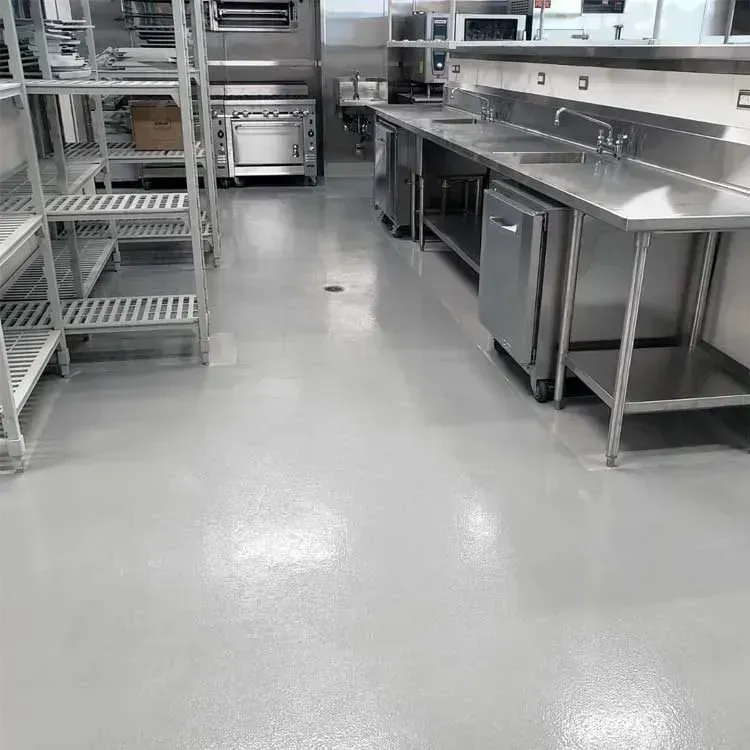
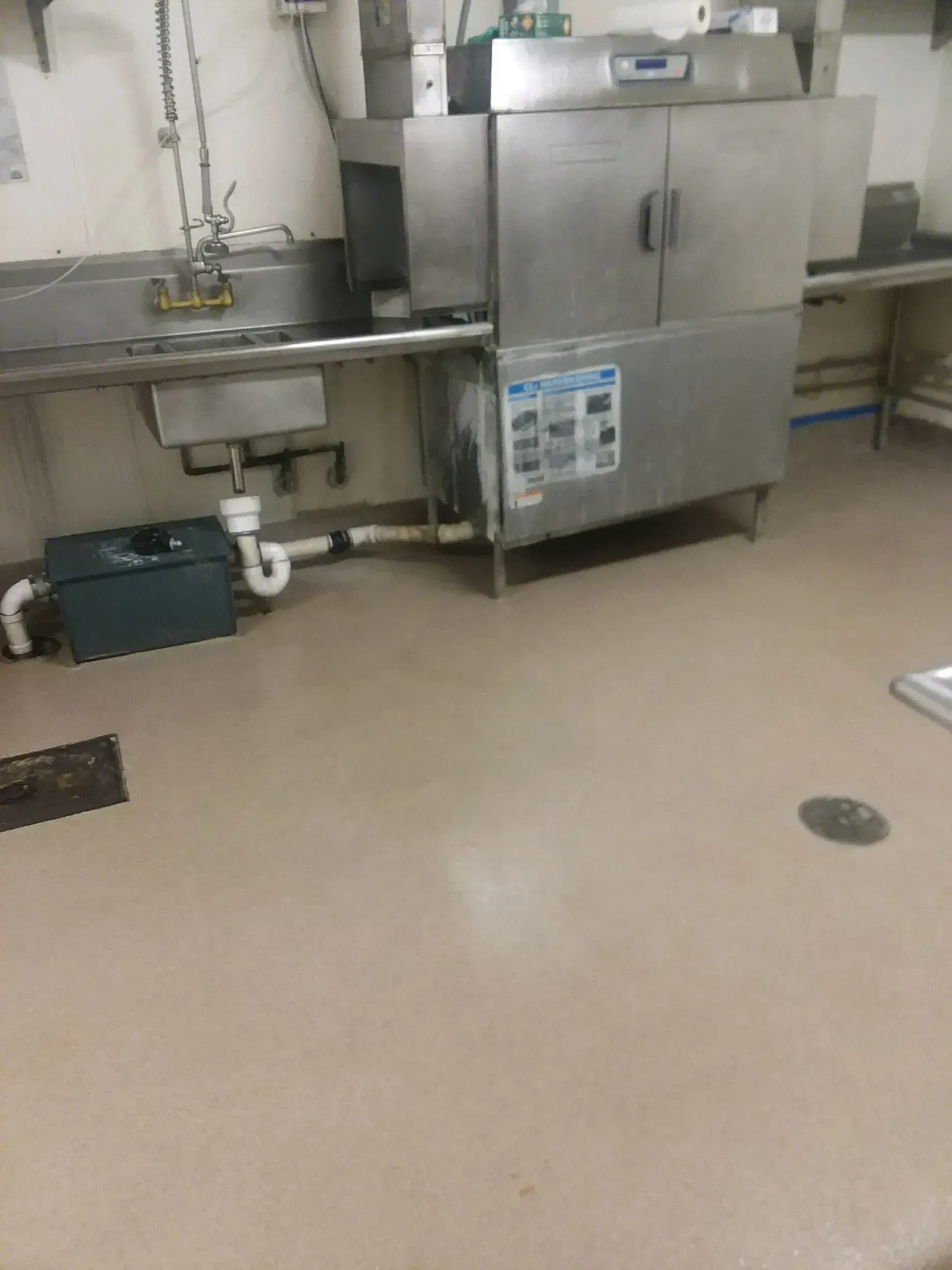
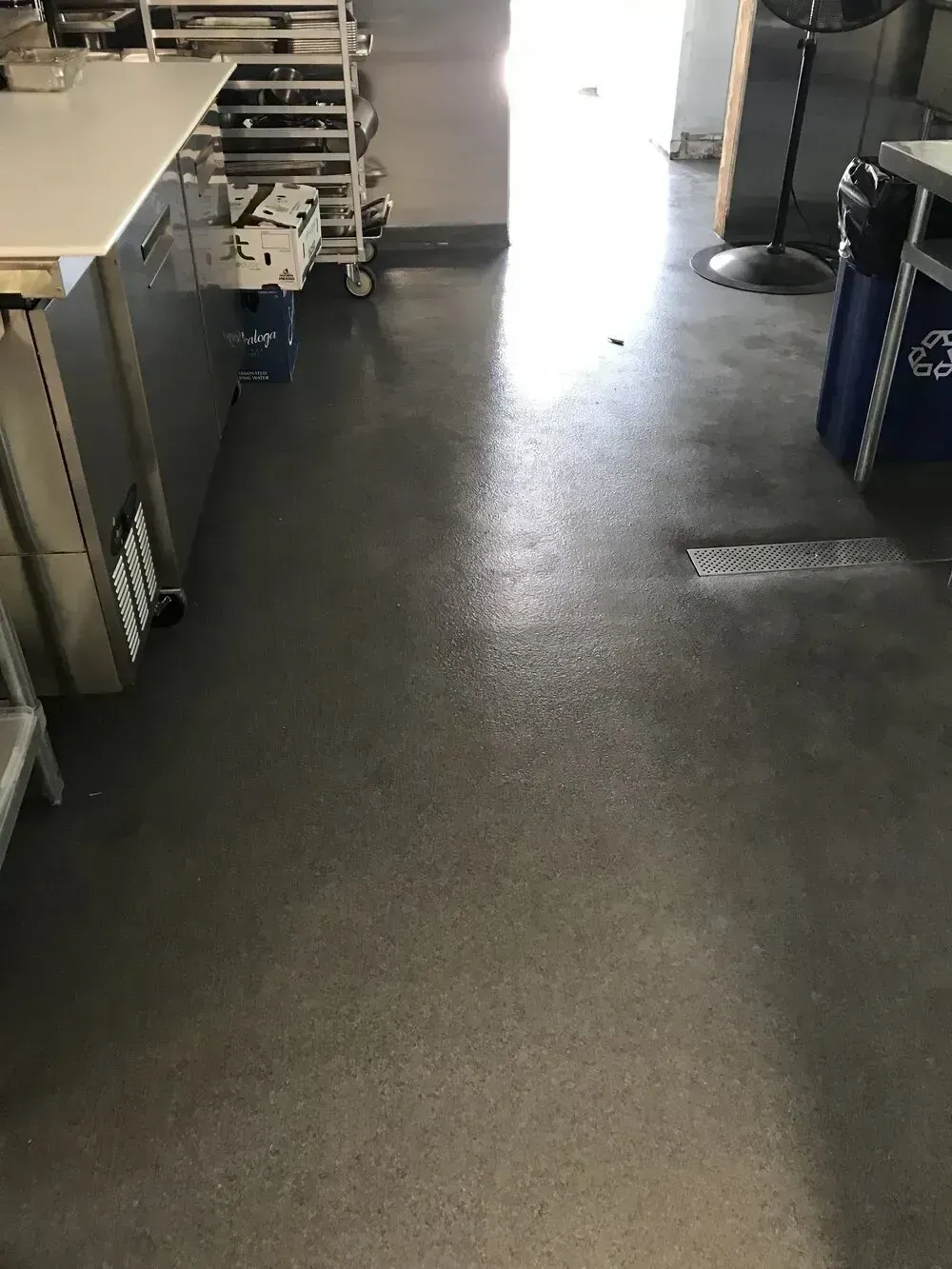
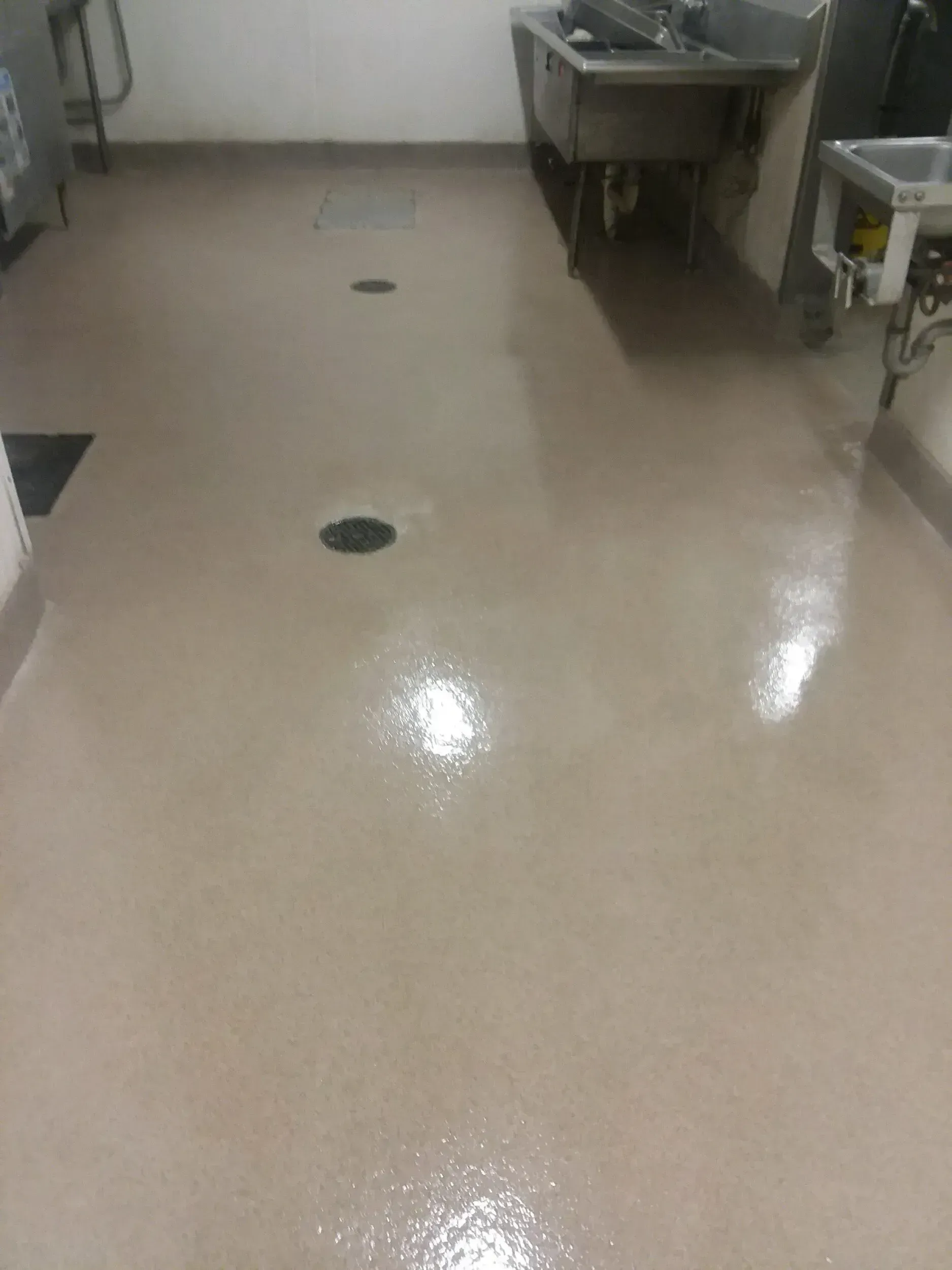
World Class Epoxy Flooring installs heavy-duty urethane cement flooring systems in Oradell and Wyckoff, New Jersey, for commercial kitchens, food prep facilities, and environments where floors face high heat, moisture exposure, and aggressive cleaning protocols. If your current floor shows cracks from thermal shock, staining from oils and acids, or constant slip hazards near sinks and prep stations, this system provides a seamless, non-porous surface engineered to handle the demands of food service operations.


The installation process begins with surface preparation that removes old coatings, grinds down uneven spots, and ensures the substrate is clean and ready for bonding. Urethane cement is then applied in layers to create a thick, durable floor that resists cracking under temperature extremes and stands up to daily power washing, degreasing, and sanitizing chemicals. Slip-resistant textures can be added to improve workplace safety and meet compliance standards for wet environments.


If you manage a restaurant, commissary, cafeteria, or food processing facility, this flooring system supports sanitary operations and reduces the frequency of repairs and resurfacing over time.

What the System Delivers After Installation

You'll notice the floor performs differently as soon as it's in use. Hot water, dropped pans, and spills no longer cause surface damage or staining. The seamless finish eliminates grout lines and cracks where bacteria and debris accumulate, making it easier to maintain hygiene standards during health inspections. Cleaning crews can power wash and scrub without worrying about damaging the surface or exposing the concrete underneath.


World Class Epoxy Flooring uses fast-curing options when possible to minimize operational downtime, but full curing still requires time before heavy equipment and foot traffic resume. The result is a floor that stays intact through years of use, even in high-volume kitchens where other surfaces would crack, stain, or wear through quickly.


This system is not a thin coating. It's a thick, reinforced layer designed for impact resistance and long-term durability. It does not include decorative finishes or color customization beyond standard industrial tones. The focus is on performance, safety, and hygiene rather than aesthetics, though the finished floor still looks clean and professional.

What Kitchen Managers Need to Know

Commercial kitchen flooring requires materials and methods that differ significantly from residential applications, and understanding those differences helps with planning and budgeting.

  • What makes urethane cement better than standard epoxy for kitchens? Urethane cement resists thermal shock and hot liquids without cracking or delaminating, and it holds up under constant exposure to steam, grease, and harsh cleaning chemicals that would break down other coatings.
  • How long does installation take and when can the kitchen reopen? Most installations require one to three days depending on square footage, and the floor is ready for light foot traffic within 24 hours, though full curing and heavy use should wait 48 to 72 hours.
  • Can the floor be installed in sections to keep part of the kitchen operational? Yes, phased installation allows one area to cure while another remains in use, though this extends the overall timeline and requires careful coordination with kitchen staff.
  • Does the slip-resistant texture make the floor harder to clean? No, the texture improves traction without creating deep grooves that trap dirt, and the non-porous surface still allows for efficient cleaning and sanitizing in Oradell and Wyckoff facilities.
  • What happens if the floor is damaged after installation? Urethane cement is highly durable, but localized damage from heavy impacts or equipment can be repaired by grinding the affected area and reapplying material to match the existing surface.

If your kitchen floor is cracking, staining, or failing inspections, upgrading to a urethane cement system provides a long-term solution that supports food safety and operational efficiency. World Class Epoxy Flooring handles the prep, installation, and curing process so your facility gets back to full operation with a floor built to last.